Why Your Recorded Voice Sounds Different
Your own voice reaches you through air and body vibration while you speak. Learn why playback sounds unfamiliar and how the microphone, room and speakers also shape a recording.
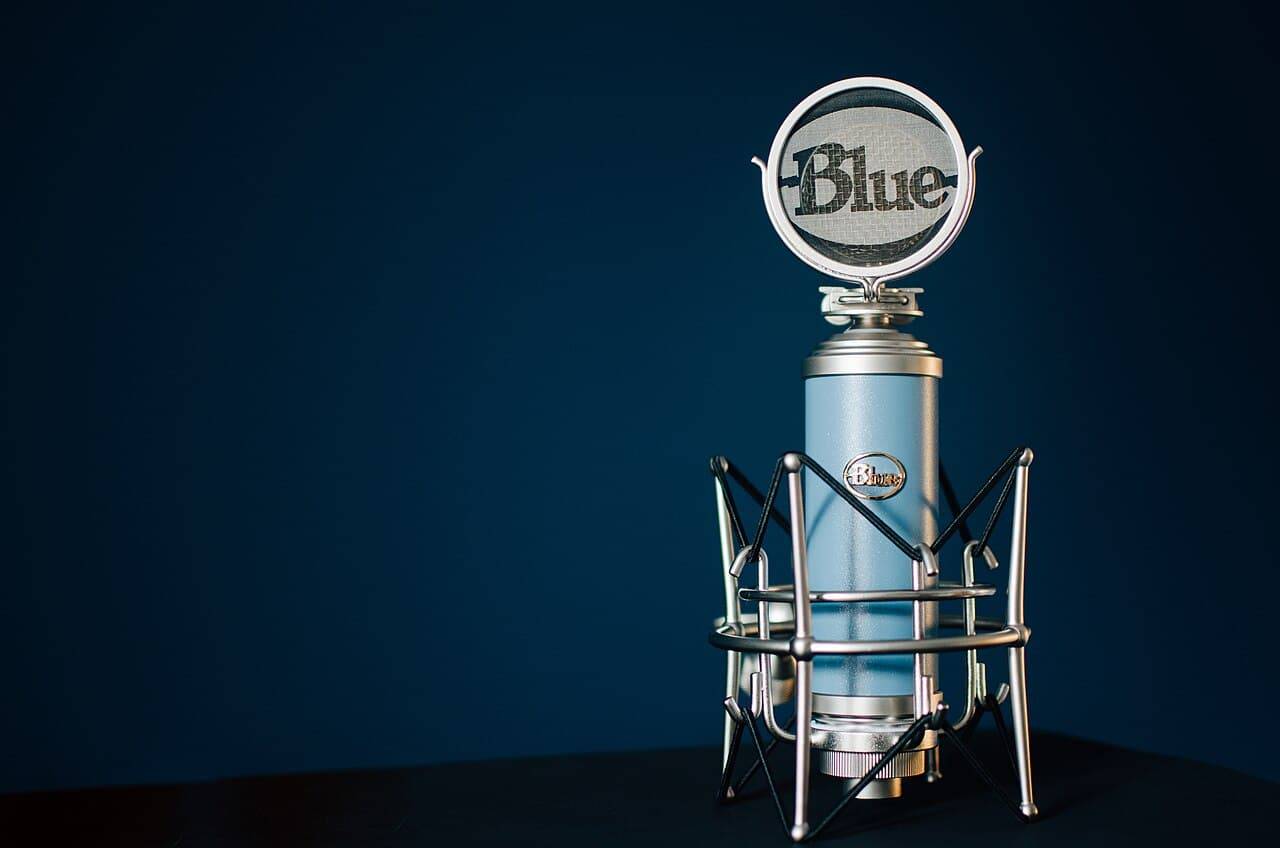
You record a short message, play it back and wonder why the speaker sounds slightly unfamiliar. The words are yours, but the voice does not match the one you usually hear while talking. A major reason is that speaking and listening to a recording involve different routes for sound. Your own speech reaches you through air and vibration within the body; ordinary playback does not reproduce that same combination.
Speaking gives you a special listening position
When you speak, you are both the source and a listener. Sound reaches the ears through the surrounding air, while vibration also travels through tissues and bones. The University of Iowa's explanation of hearing distinguishes air conduction from bone conduction, which transmits vibration through the skull to the inner ear.
Someone standing across the room does not share your internal listening position. They hear sound arriving through the external environment. This difference explains why the familiar voice in your own experience need not match a microphone's account of the sound in the room. Neither experience requires the voice itself to have changed identity.
A microphone captures a different signal
An ordinary microphone records sound arriving at its location. It does not recreate all the internal vibration involved in hearing yourself speak. A study by Orepic and colleagues identifies the absence of natural bone-conducted input as an important reason recorded self-voice can seem strange, and investigates self-voice perception using different presentation methods.
The central idea is accessible without turning the study into a universal prediction about every listener. Your usual self-perception includes information a standard recording does not capture in the same way. Playback therefore presents a familiar source through a different route, and familiarity with the words does not remove the perceptual difference.
A recording is not a perfect copy of another person's ears
It is common to say that playback is exactly how everyone else hears you. That is too strong. A microphone has a position and characteristics, the room has reflections and the playback device changes what reaches the listener. Another person may be at a different distance and angle, using their own hearing in a different setting.
A recording can be useful without serving as an absolute truth about one permanent voice. Think of it as a sample made under particular conditions. Those conditions matter when comparing clips. A phone held close to the mouth in a quiet room and a distant laptop microphone in an echoing space are not equivalent setups.
The room contributes to the sound
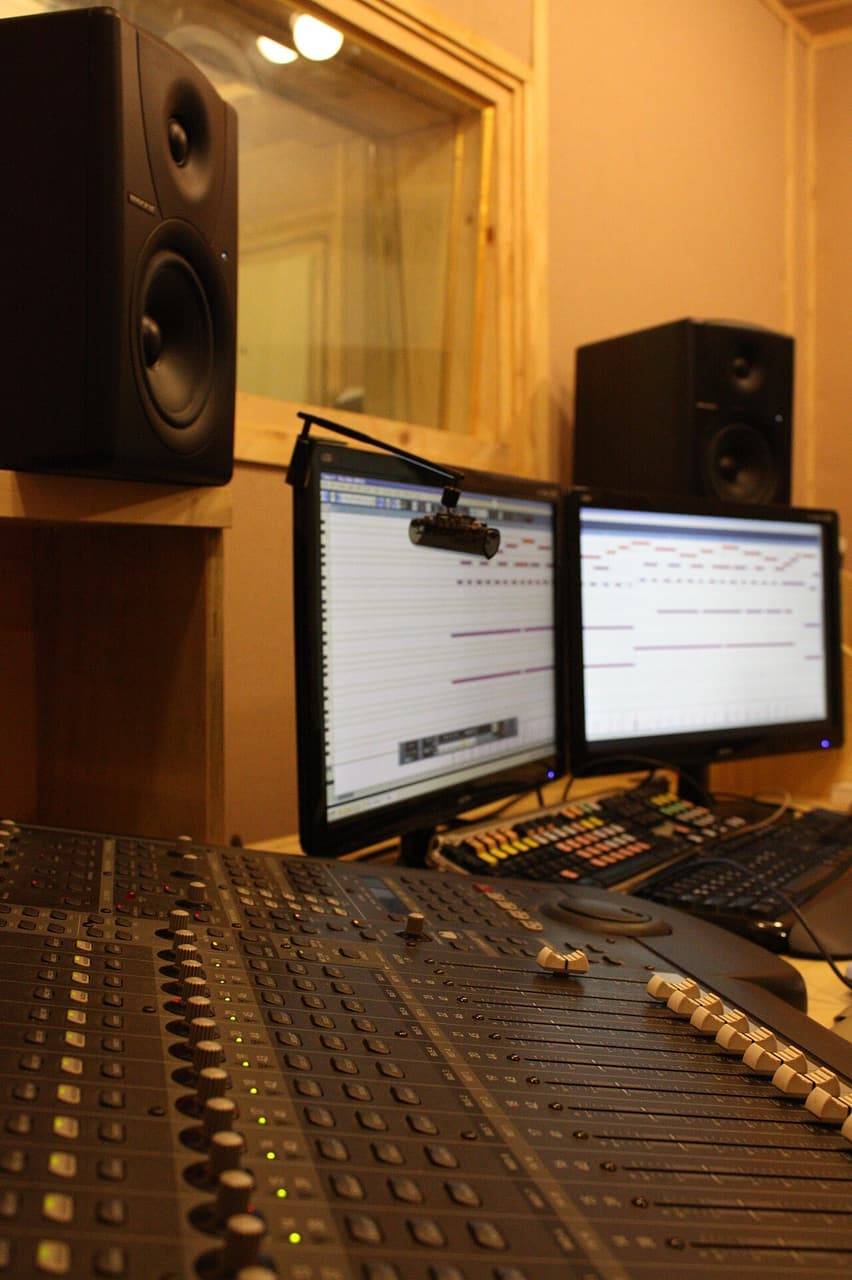
Hard surfaces can create audible reflections, while a different arrangement may produce a less reverberant result. Background noise can mask detail. The recording therefore contains information about the environment as well as the speaker. Before deciding your voice sounds wrong, listen for the room around it.
For an ordinary clear message, choose a reasonably quiet place and use the equipment as directed. You do not need a professional booth to understand a short recording, but a suitable space can reduce distractions. UCL's recording facilities illustrate why purpose-built environments are used when a project requires more controlled conditions.
Playback adds another set of choices
The same file may sound different through a phone speaker, headphones or larger speakers. Volume and processing settings can alter the experience too. If you are comparing recordings for a practical project, keep the playback conditions consistent rather than changing devices and attributing every difference to your performance.
Use a comfortable listening level. Turning the sound up excessively is not a reliable way to discover the true voice hidden in the recording. The useful goal is to hear clearly enough to assess the message or task. If the recording is distorted, a new recording with an appropriate input level may be more helpful than louder playback.
Listen for the job the recording needs to do
If the purpose is a presentation or voice message, begin with intelligibility. Are the words clear? Is the pace appropriate? Are there long gaps or distracting noises? These are actionable questions. An unfamiliar timbre does not automatically mean the recording fails its purpose.
Choose one improvement for a second take, such as a calmer opening or a clearer pause between ideas. Avoid repeatedly changing your voice to chase an imagined ideal. A recording task is usually better served by clear speech and suitable conditions than by an elaborate attempt to sound like a different person.
Musical listening offers a useful distinction
The difference between vocal sound and vocal choices also matters when listening to singers. Our feature on Louis Armstrong’s musical legacy separates a recognizable timbre from phrasing and rhythm. In an ordinary recording, too, the sound of a voice and the effectiveness of the communication are related but different questions.
If your speaking voice has persistently changed, causes pain or comes with another health concern, ask an appropriate professional rather than using the playback explanation to dismiss it. An unfamiliar recording is one situation; a sustained symptom is another. The physics does not diagnose an individual problem.
Recorded self-voice can seem surprising because it removes part of your usual listening experience and adds the characteristics of a recording chain. Understand those layers, keep the conditions sensible and judge the result by its purpose. A slightly unfamiliar sound can still be a perfectly clear and recognizable message from you.