Echo vs Reverberation: Why the Same Voice Changes With the Room
Distinguish a separate returned sound from overlapping reflections, then make a quiet, controlled comparison of two ordinary spaces.
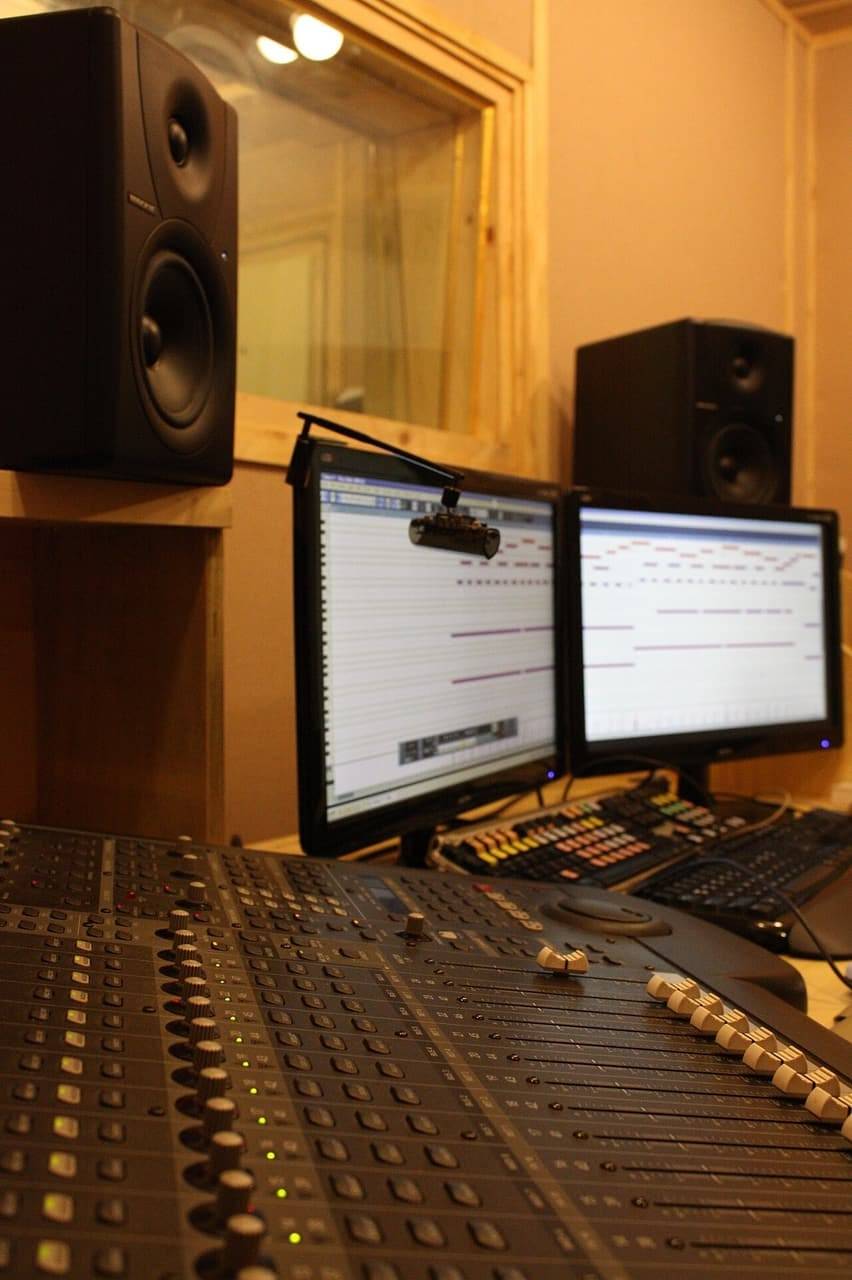
An echo is a returned sound heard as a distinct repetition. Reverberation is the overlapping persistence of reflected sound after the original sound has been produced. Both involve reflections, but the listening experience differs. That is why a room can sound lively or blurred without producing a tidy second copy of every word you say.
One sound can take several paths
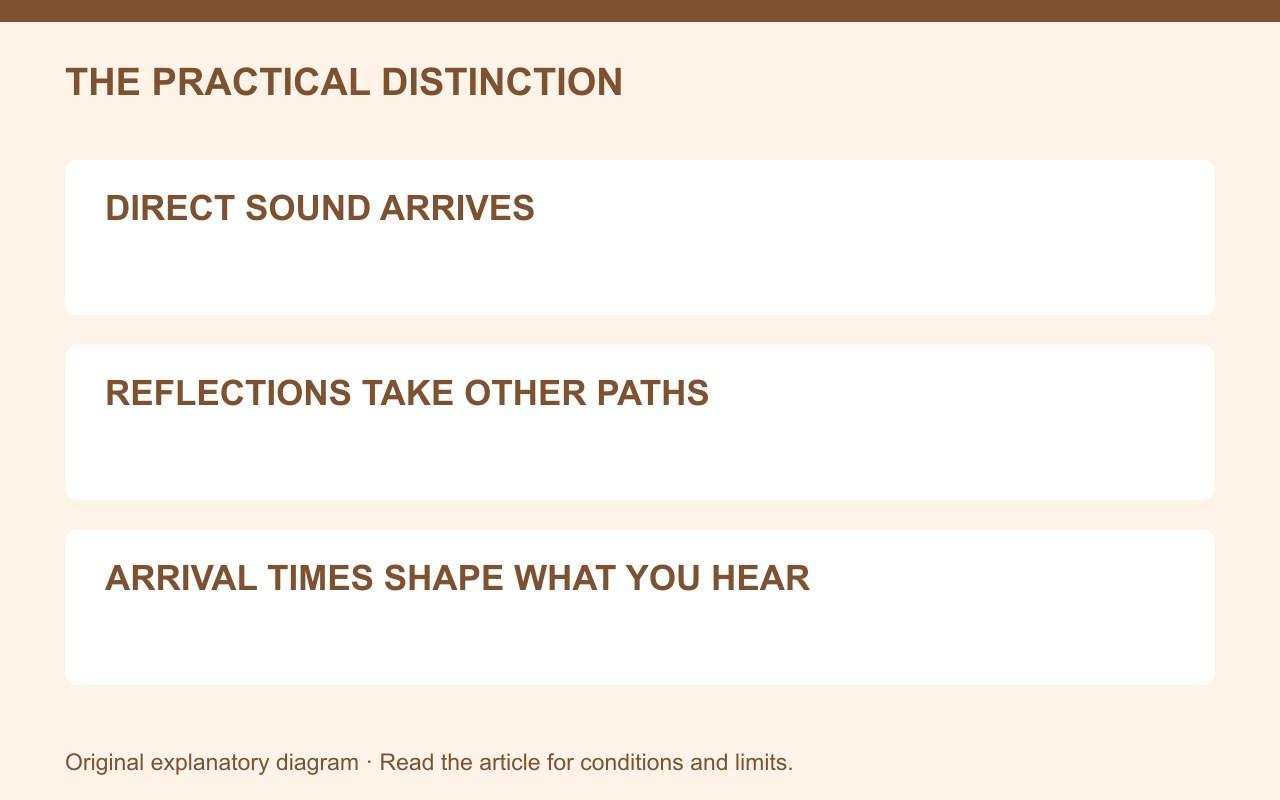
Some sound reaches a listener directly. Other sound reflects from surfaces and arrives by longer routes. OpenStax’s explanation of acoustic cues describes reverberation as reflections arriving at slightly different times. The resulting mixture includes information about the space as well as the original voice or instrument.
This is a useful starting point because it separates the source from the route. If you speak the same sentence in two rooms, your voice is not the only thing being compared. The surfaces, dimensions, furnishings and listening positions may differ too. A recording contains that combination rather than a voice detached from its surroundings.
Distinguish a clear repeat from a trailing sound
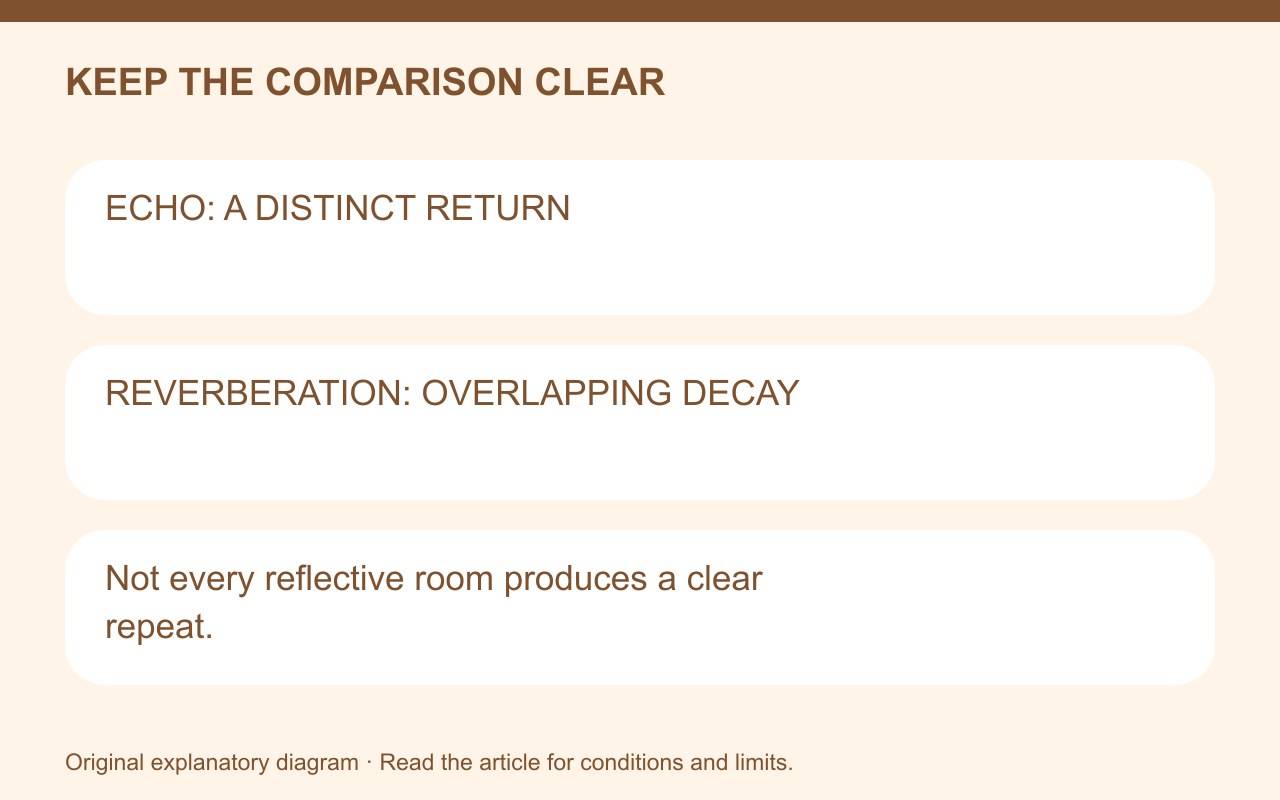
OpenStax illustrates an echo with sound reflecting from a distant rigid surface. When a return is sufficiently separated from the original, it can be heard as another event. In a room with many closely spaced reflections, you may instead hear a lingering sound or reduced clarity.
| What you notice | A useful description |
|---|---|
| A recognisable separate return | An echo-like repetition |
| Sound continuing as a blended tail | Reverberation |
| A recording that sounds harsh or unclear | A description needing more context, not an automatic diagnosis of one acoustic cause |
Avoid assigning an exact reverberation time from an impression alone. A scientific measurement needs a defined method and appropriate equipment. Words such as “live,” “dry” or “echoey” can help describe a casual experience, but they do not all refer to the same measured property.
Compare two ordinary spaces quietly
Choose a short spoken sentence and two safe spaces where speaking will not disturb other people. Use a comfortable ordinary volume. There is no need to shout, clap close to someone’s ears or enter a hazardous place in search of a dramatic echo. Listen first to the direct sentence, then notice what seems to continue around it.
Keep your distance from the listener or recording device similar in both places. Note the visible differences between the rooms, such as bare surfaces or furnishings. If several things change together, say so. This is an informal listening comparison, not a test that isolates one material’s absorption coefficient.
If recording, keep the recording chain consistent
Use the same device, settings and approximate placement. Save the original files and listen on the same playback equipment at a comfortable level. Automatic processing can affect a phone recording, so do not treat the file as a calibrated measurement of the room. It can still help you compare the overall experience.
Our recorded-voice explainer distinguishes the listening pathways involved in hearing yourself speak from the microphone and playback chain. Here the room is another part of that chain. Changing its contribution does not recreate the body-conducted component of your normal self-hearing.
Improve clarity by changing one practical factor
For an ordinary voice message, try a quieter suitable room or a more consistent microphone position before buying equipment. UCL’s recording guidance points to dedicated recording spaces and practical home-recording advice for different needs. A recording setup should be chosen for the job rather than judged by how impressive the room looks in a photograph.
Change one manageable factor and compare the result. If you move the device, replace the microphone and switch rooms simultaneously, an improvement will not tell you which change mattered most. Keep the goal modest: words that are clear enough for the intended listener.
An echo and reverberation share the physics of reflected sound, while the pattern of arrival changes what you hear. Once you separate the direct voice, the space and the recording system, a surprising playback becomes easier to investigate. It is a set of conditions to understand rather than proof that your voice has suddenly become a different instrument.