How Optical Illusions Reveal the Work of Seeing
Optical illusions reveal how vision uses context, depth and figure-ground cues. Learn to compare an impression with a measurement without treating illusions as tests of intelligence.
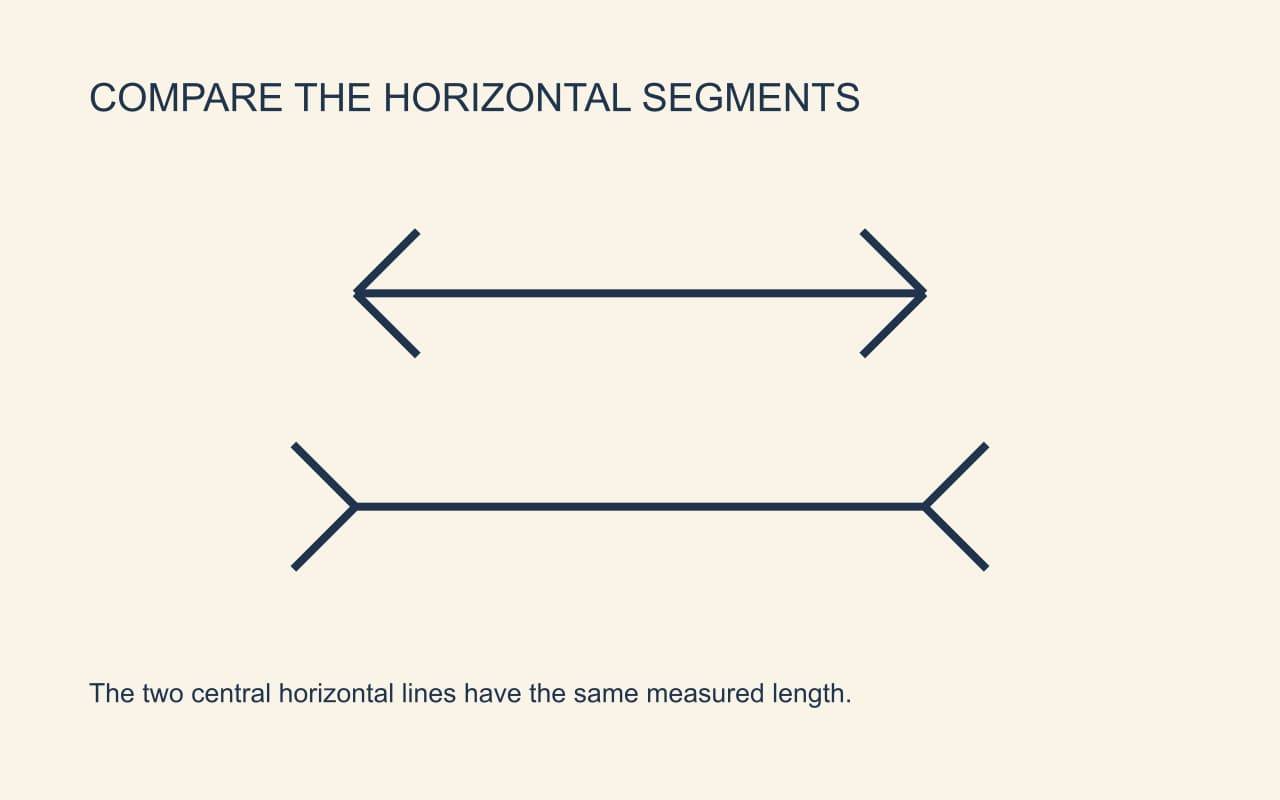
An optical illusion creates a small but memorable disagreement between an impression and a measurement. Two lines look unequal until you check them, or one outline alternates between two possible objects. The interesting question is not whether your eyes have failed. Vision is an active process that uses context and clues to interpret a scene. An illusion makes part of that interpretive work unusually noticeable.
Seeing involves more than receiving light
The National Eye Institute explains that eyes and brain work together, using clues about depth, shading, lighting and position. A flat image can arrange those clues in ways that produce a surprising interpretation. The picture on the page is therefore not simply transferred into awareness without processing.
This does not mean ordinary vision is useless or that everything you see is an arbitrary invention. The same interpretive system is useful in a three-dimensional world. An illusion creates a special arrangement that exposes a limit or ambiguity. The surprise comes partly from a normally helpful process meeting an unusual example.
Context can change an apparent comparison
Consider a pair of lines surrounded by different marks. Before measuring, one may appear longer. The central lines can remain physically equal even when the surrounding arrangement changes the impression. A ruler answers a question about length; the initial impression reveals something about perception in that context.
Keep those two results separate. Measuring the line does not prove you never experienced the illusion, and experiencing it does not change the measured length. Both observations can be true. That is what makes the demonstration useful: the image remains stable while the viewer can compare an appearance with an independent check.
Figure and background can trade places
Some ambiguous images can be seen in more than one way. The classic vase-and-faces example alternates between a central object and two profiles. The boundary is shared, but the interpretation depends on which region is treated as figure and which as background. The NEI's discussion of border perception uses this example to explain a research question about visual organization.
Try noticing the shift rather than forcing one answer to win. The interesting property is that the same pattern supports alternatives. A still image can therefore produce a changing experience without physically changing. A demonstration does not need animation to reveal activity in the process of seeing.
Depth clues are powerful on a flat surface
Artists and photographers use perspective, shading and overlap to suggest depth. Those cues can help us interpret a scene quickly, but they can also be arranged into an impossible or misleading structure. The page is flat while the suggested space seems three-dimensional, creating room for a mismatch.
A useful question is which cue you are following. Is a shape apparently farther away because of converging lines? Does shading suggest a raised or recessed surface? You do not have to name every mechanism to notice that the context contributes to the result. That awareness can make both illusions and ordinary pictures more interesting.
A measurement should match the claim
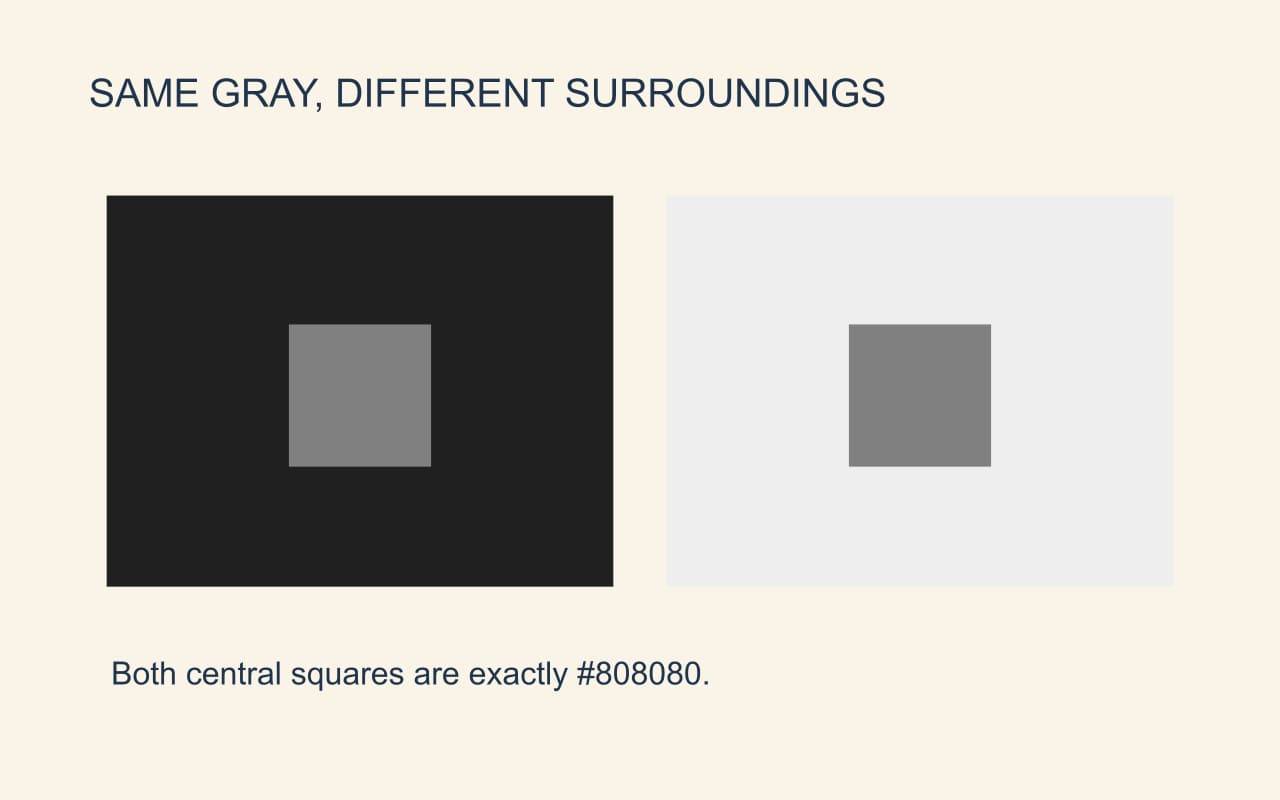
If an illusion concerns length, compare the relevant endpoints. If it concerns position, check the alignment. If it concerns a printed shade, be careful about the display and surrounding context. A screenshot, compression or a different reproduction may alter the example, so use a clear version designed to demonstrate the effect.
Avoid a dramatic conclusion from a poorly reproduced image. A caption saying the squares are identical does not establish that your copy preserves the original values. A reliable demonstration explains what is being compared and how to verify it. The claim and the check should address the same property.
Illusions are not personality quizzes
Seeing one interpretation first does not justify a confident claim about intelligence, creativity or a hidden personality type. A social post can attach an appealing story to almost any ambiguous image. Without appropriate evidence, the story is an addition to the picture rather than a conclusion established by it.
The NEI presents illusions as a way to explore vision, not a ranking of viewers. People may experience a demonstration differently, and the viewing setup can matter. The worthwhile response is curiosity about the conditions and process, not embarrassment that a visual effect continued after its construction was explained.
Use the surprise to ask better questions
Look, describe the impression and then check the relevant property. Change only one part of the setup if you are comparing versions, and note what remains the same. This simple sequence keeps observation separate from explanation. It also makes the exercise more satisfying than merely revealing a correct answer.
Other familiar experiences reward the same habit. An unfamiliar recording of your own voice also involves a difference between an immediate impression and the physical circumstances that produced it. In both cases, identifying the mechanism can deepen the experience without making the original surprise foolish.
An optical illusion is a compact invitation to examine seeing itself. Context, depth clues and figure-ground decisions can influence a stable image's appearance. Compare the impression with a suitable check, keep unsupported personality claims out of the conclusion and let the visual puzzle lead to a more interesting question about perception.