Ella Fitzgerald’s Scat Singing: Listening Beyond the Notes
Ella Fitzgerald’s scat singing treats the voice as an improvising instrument. Learn what to listen for in rhythm, phrasing, musical shape and her broader recorded career.
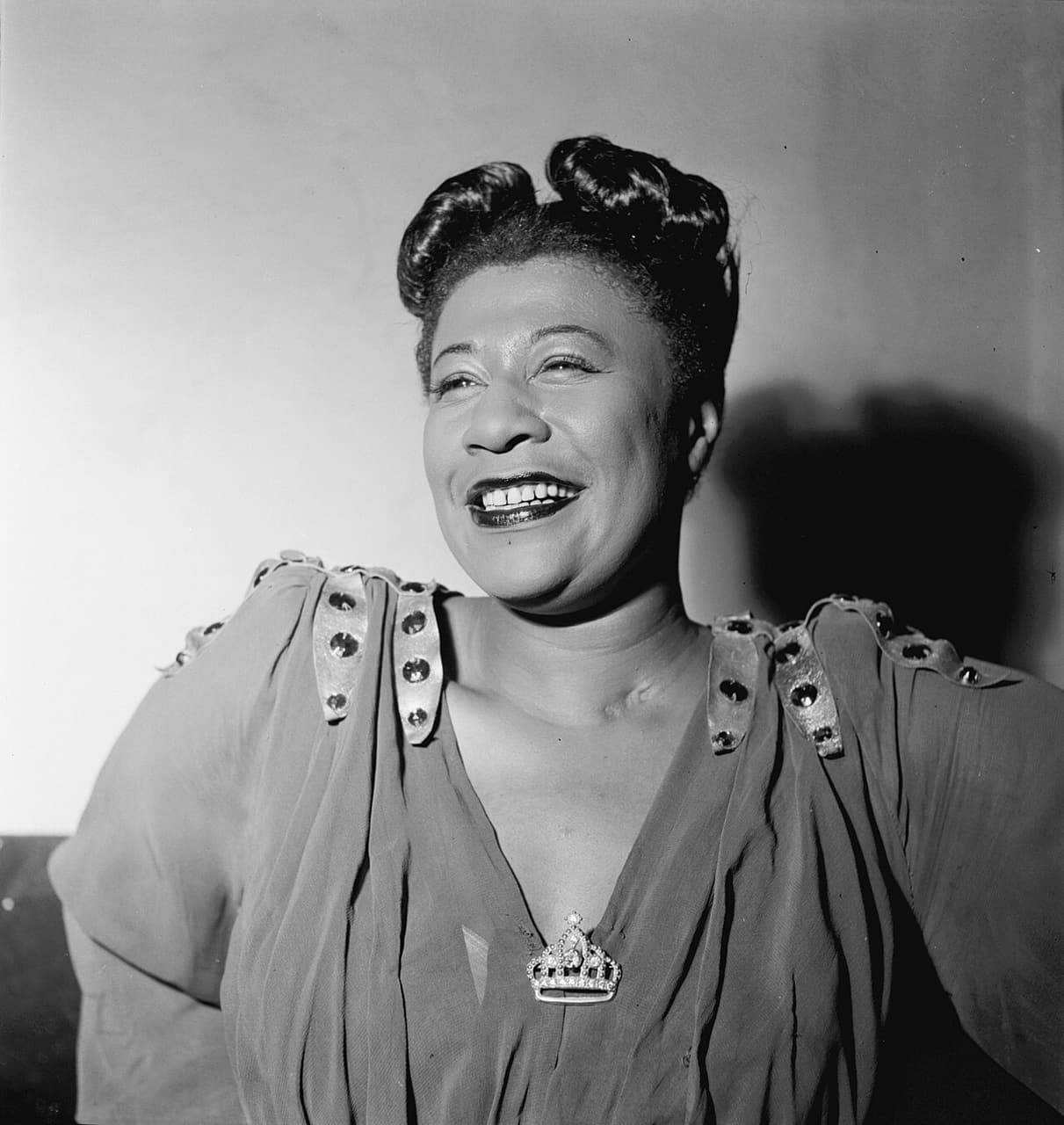
Ella Fitzgerald's scat singing can sound so agile that the first reaction is simply astonishment. The speed, precision and playful syllables attract attention immediately. Listen again, and a more detailed picture emerges: phrases have shape, rhythmic ideas return and the voice behaves like an improvising instrument. You do not need specialist training to hear those decisions. A few focused questions can turn admiration into a richer listening experience.
Scat uses syllables as musical material
In scat singing, the voice works with non-lexical syllables rather than relying only on a song's ordinary words. The sound can emphasize rhythm, articulation and melodic movement. The absence of a literal sentence does not mean the performance lacks structure. Musical relationships take on more of the work that lyrics would otherwise help carry.
The Smithsonian places Fitzgerald among major improvisers, emphasizing her rhythmic sense, intonation and ability to invent melodic lines. That description offers a useful starting point: listen for an unfolding musical argument rather than a string of amusing noises. The syllables are the surface through which the phrasing becomes audible.
Follow a phrase from beginning to end
Choose a short passage and notice where an idea starts, rises, pauses and resolves. A rapid run can be impressive, but its place within the larger line matters. Does it build toward a held note? Does a short reply follow? Does the next phrase repeat a contour with a small change?
You do not have to name the notes to hear a relationship. Try describing the shape in ordinary language: climbing, falling, circling or stopping abruptly. Such descriptions are listening aids rather than a formal analysis. They help prevent every complex moment from collapsing into the same reaction that the singer is simply very fast.
Rhythm gives the line its character
Notice how the voice sits against the accompaniment. A phrase can begin in an unexpected place, leave a gap or repeat an accent that becomes recognizable. The steady framework around the voice makes these choices perceptible. Listen once to the accompaniment alone in your attention, then bring the vocal line back into focus.
This does not require declaring every deviation a deliberate technical trick. It is an invitation to hear relationships. The same phrase can feel different depending on where it falls against the pulse. Fitzgerald's rhythmic reputation becomes more meaningful when the listener notices that interaction rather than only the individual pitches.
Space is part of the performance
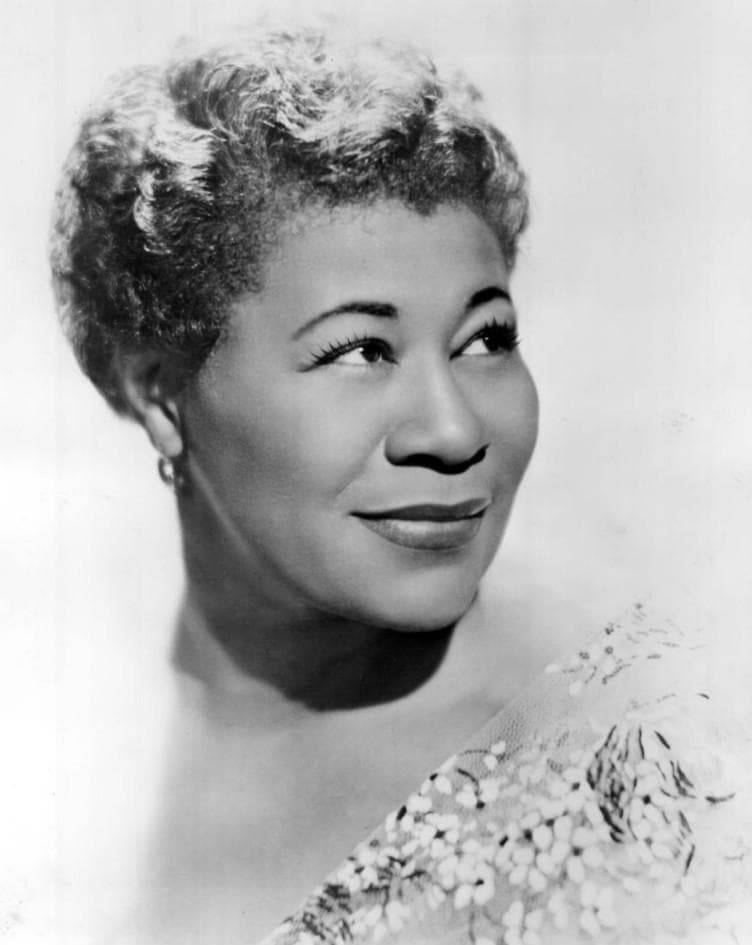
An energetic passage can draw attention away from the pauses that make it intelligible. A short gap allows a musical idea to settle and gives the next entrance a different effect. If you listen only for density, you may miss how contrast helps organize a long improvisation.
Try following the alternation between busy and sparse moments. Does a long phrase lead to a concise one? Does a repeated figure make a later change more noticeable? The purpose is not to prove that every performance follows one formula. It is to hear how variety can create a sense of direction across time.
The career was broader than one technique
The foundation's biography records Fitzgerald's 1934 appearance at the Apollo Theater's Amateur Night and later work with Chick Webb. It also describes the songbook recordings associated with her career under Norman Granz's management. Those milestones place scat within a wider performing and recording history rather than presenting it as her only artistic achievement.
A ballad, a songbook interpretation and an extended scat passage invite different kinds of attention. Clear delivery of a lyric and inventive use of syllables are not competing definitions of the same singer. The range matters. A familiar label such as First Lady of Song can introduce the career, but it cannot summarize every choice within it.
Compare performances without staging a contest
If you can access lawful recordings of different performances, compare how the same song develops. Listen for tempo, accompaniment, phrase length and the balance between melody and improvisation. A different choice does not need to be ranked immediately as better or worse. It may reveal how a performer responds to a different musical setting.
Fitzgerald also recorded with Louis Armstrong, whose vocal and instrumental contributions offer another route into jazz phrasing. Comparing them can sharpen attention to distinct sounds and approaches without reducing either musician to a checklist of opposites. Collaboration is often interesting because identifiable voices coexist within a shared piece.
Let attentive listening remain enjoyable
You do not need to stop every few seconds or turn a song into homework. Choose one feature for a replay, then listen to the whole performance again. A little attention can make the larger experience more vivid rather than replacing it with terminology. Musical analysis is useful when it helps you hear something you had overlooked.
Use reliable credits to identify the recording and the musicians involved. A clip title may not establish a date, ensemble or venue accurately. The context can enrich the listening, but the performance itself remains the reason to return.
Fitzgerald's scat singing rewards attention because its pleasure is built from musical decisions. Rhythm, phrase shape, contrast and a flexible vocal sound work together. Hear those components within the larger line, and the dazzling surface becomes an invitation to keep listening rather than the end of the explanation.